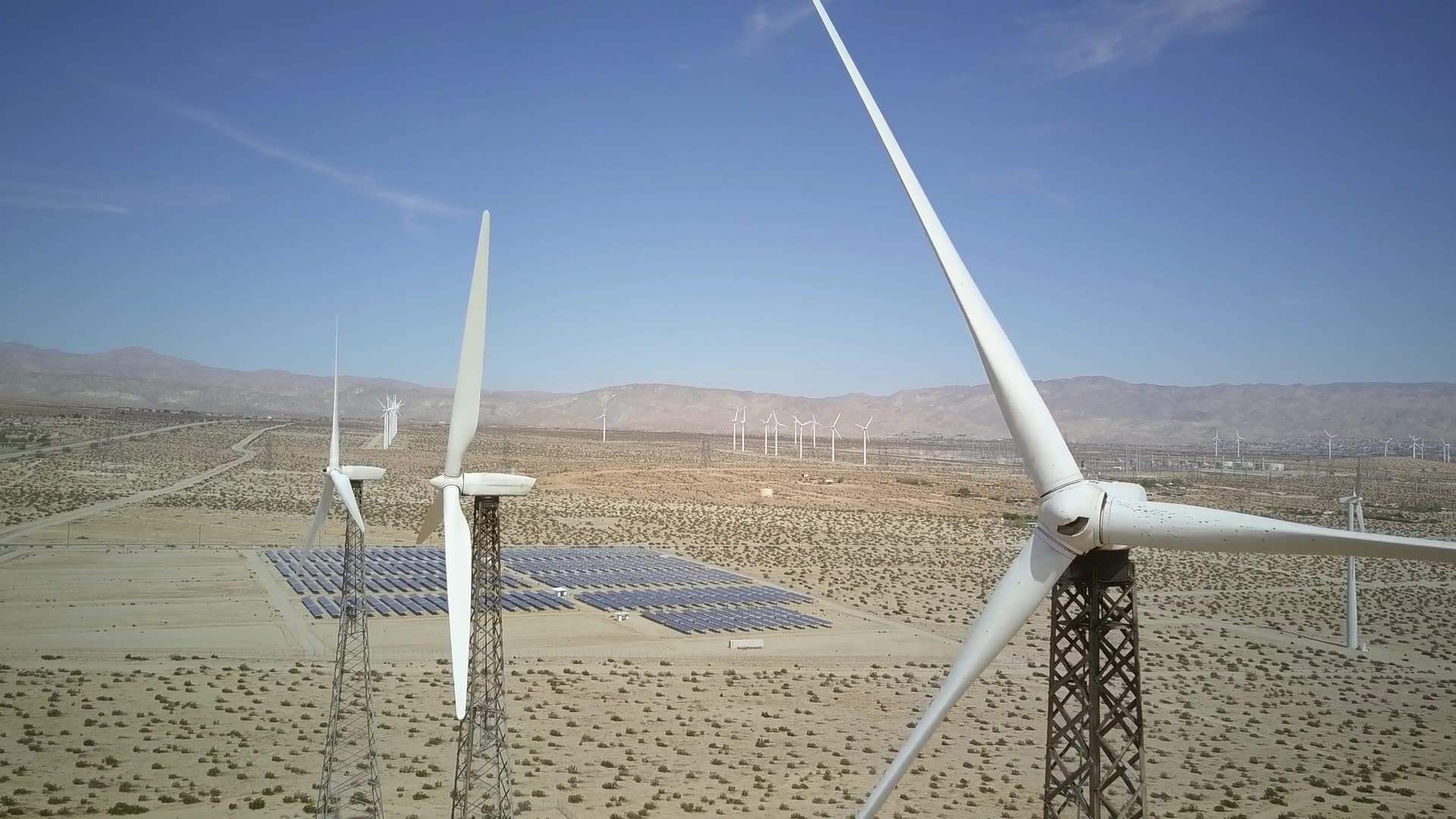
Solar, wind, battery storage, oil and gas, and green hydrogen. Each section explains what the plant does and names its main parts. It lists the first questions any site has to answer, then follows a build from survey to handover, with what you receive at each stage.
Solar PVSunlight → grid power
Turns sunlight into power the grid can take.
First questions on any site
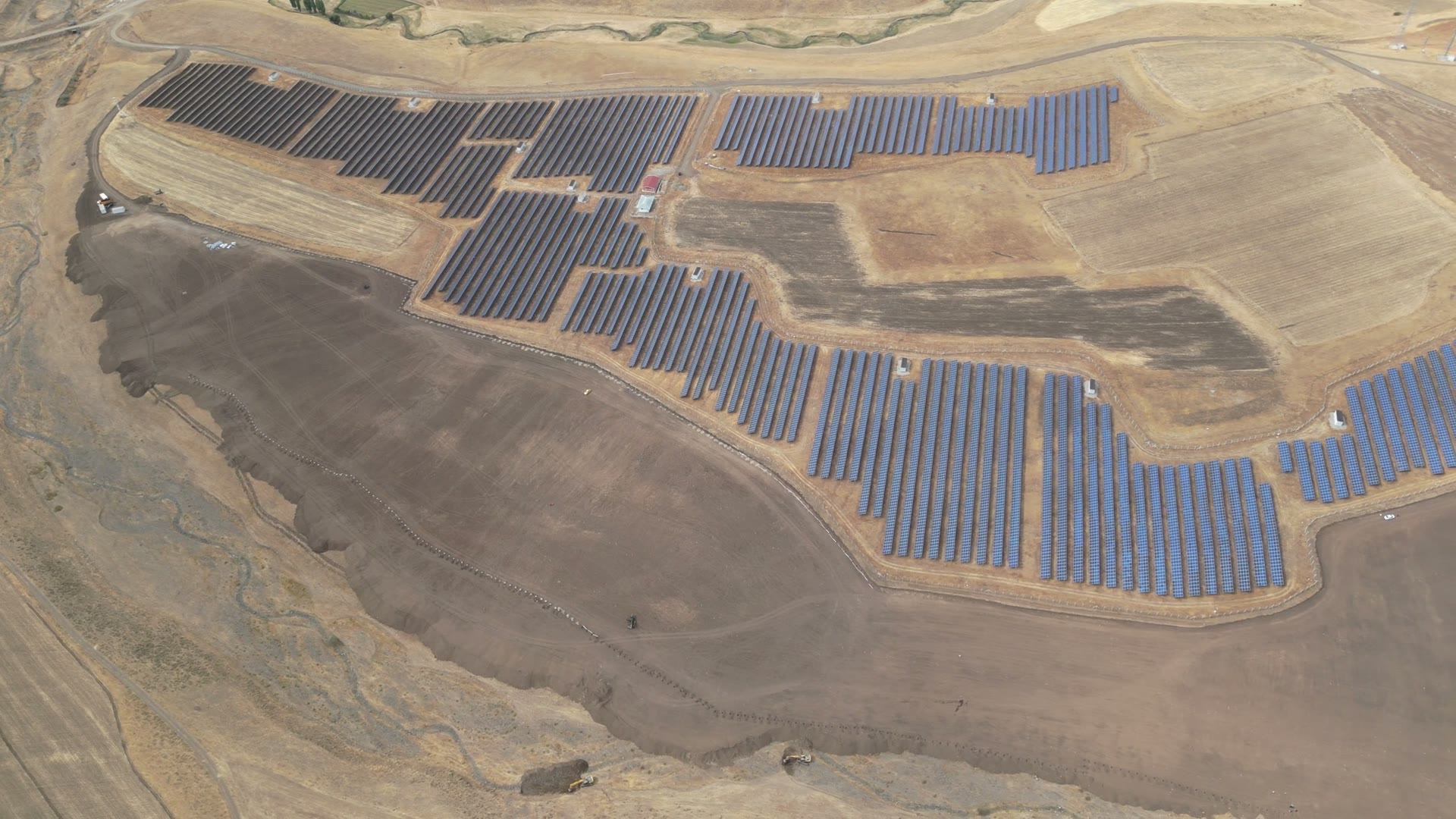
Rows of panels make electricity straight from sunlight. Inverters convert it into the current the grid runs on, and a substation sends it out.
- How much sunlight does the site get over a full year?
- Does the ground suit driven piles, screws or ballast?
- How far off is the grid, and how much power will it accept at that point?
What you are looking at
Single axis tracking bifacial array · 2-up portrait rows on steel posts. Point at a part to find it on the model.
How a build runs
One contract, four stages- 01EngineerWe survey the ground and model a full year of sunshine, then set out the rows and cable routes to match.You receiveAn energy-yield study, layout drawings and the electrical single-line diagram.
- 02ProcurePanels, inverters, steel posts and cable come from vetted makers and are inspected at the factory before shipping.You receiveA certificate for each batch, plus the factory test reports.
- 03ConstructWe pour the footings, set the posts, build the tables, fix the panels and pull the cable.You receiveAs-built drawings that show what is actually in the ground.
- 04CommissionWe test every string before switch-on, then energise with the grid operator and prove the output.You receiveThe test records, operating manual and handover file.
Wind powerWind → grid power
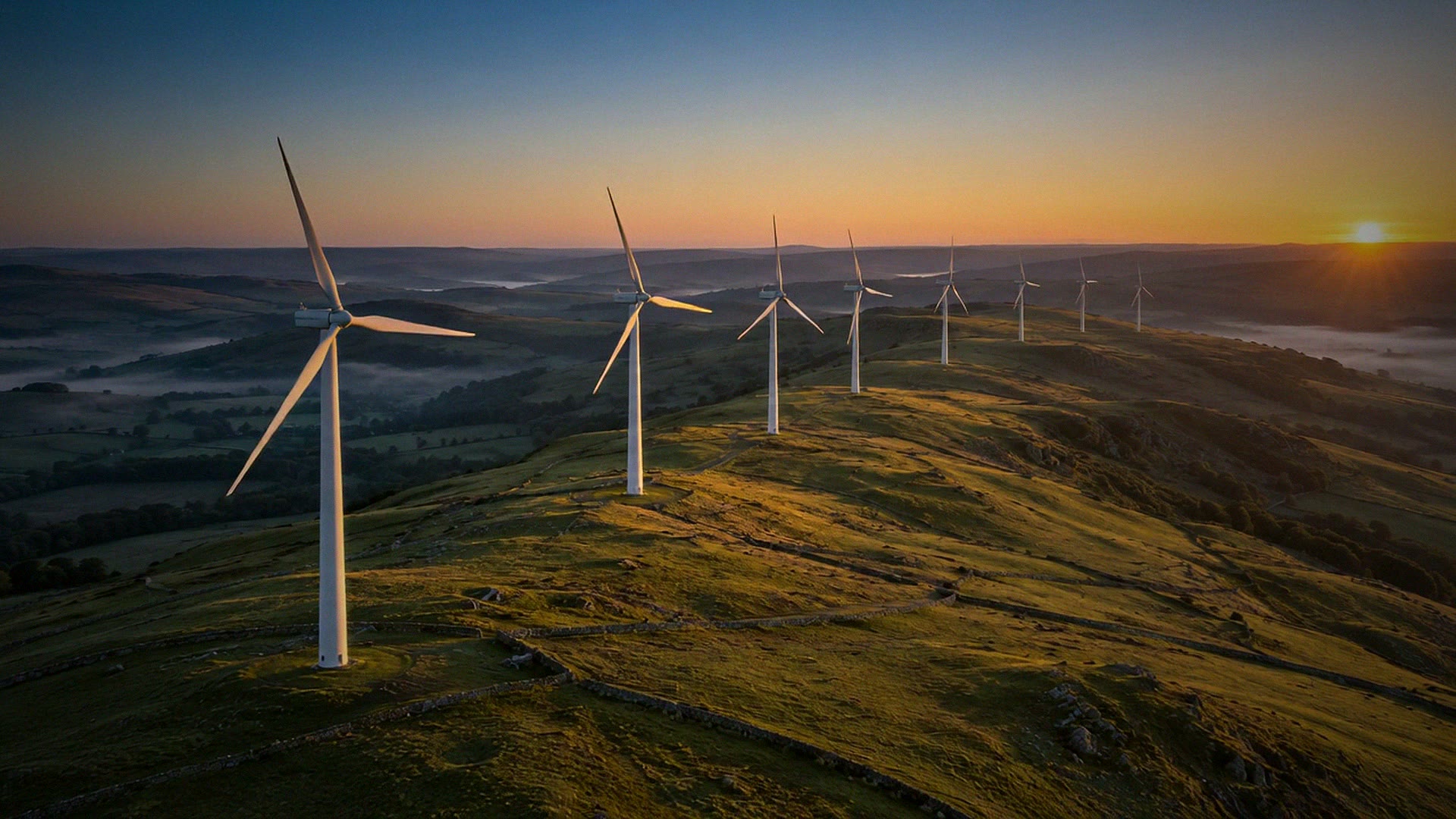
Turns moving air into power for the grid.
First questions on any site
The wind spins the rotor and a generator in the nacelle converts the rotation into electricity. Each turbine has a transformer to step up the voltage, and buried cables run the power to the site substation and on to the grid.
- How strong and steady is the wind? We need at least a year of measurements on site to say.
- Will the roads cope with blade and tower deliveries, and will the ground carry the cranes and foundations?
- How far is the grid connection, and what will the network operator require there?
What you are looking at
Wind turbine · rotor, nacelle & tower. Point at a part to find it on the model.
How a build runs
One contract, four stages- 01EngineerWe measure the wind first and space the turbines so none sits in another's wind shadow. Then we design the roads, foundations, cables and substation.You receiveThe wind study, site layout and electrical design.
- 02ProcureTurbines, transformers and cable come from vetted makers. Every long, heavy load gets its route planned in advance.You receiveFactory test reports and traceable certificates.
- 03ConstructWe build the roads and crane pads, pour the foundations and lay the cables. Only then do the tower, nacelle and rotor go up.You receiveAs-built drawings and installation records.
- 04CommissionControls and safety systems get tested first. After that we energise with the grid operator and run each turbine up to power.You receiveThe test records, operating manual and handover file.
Battery storageSpare power → power on demand
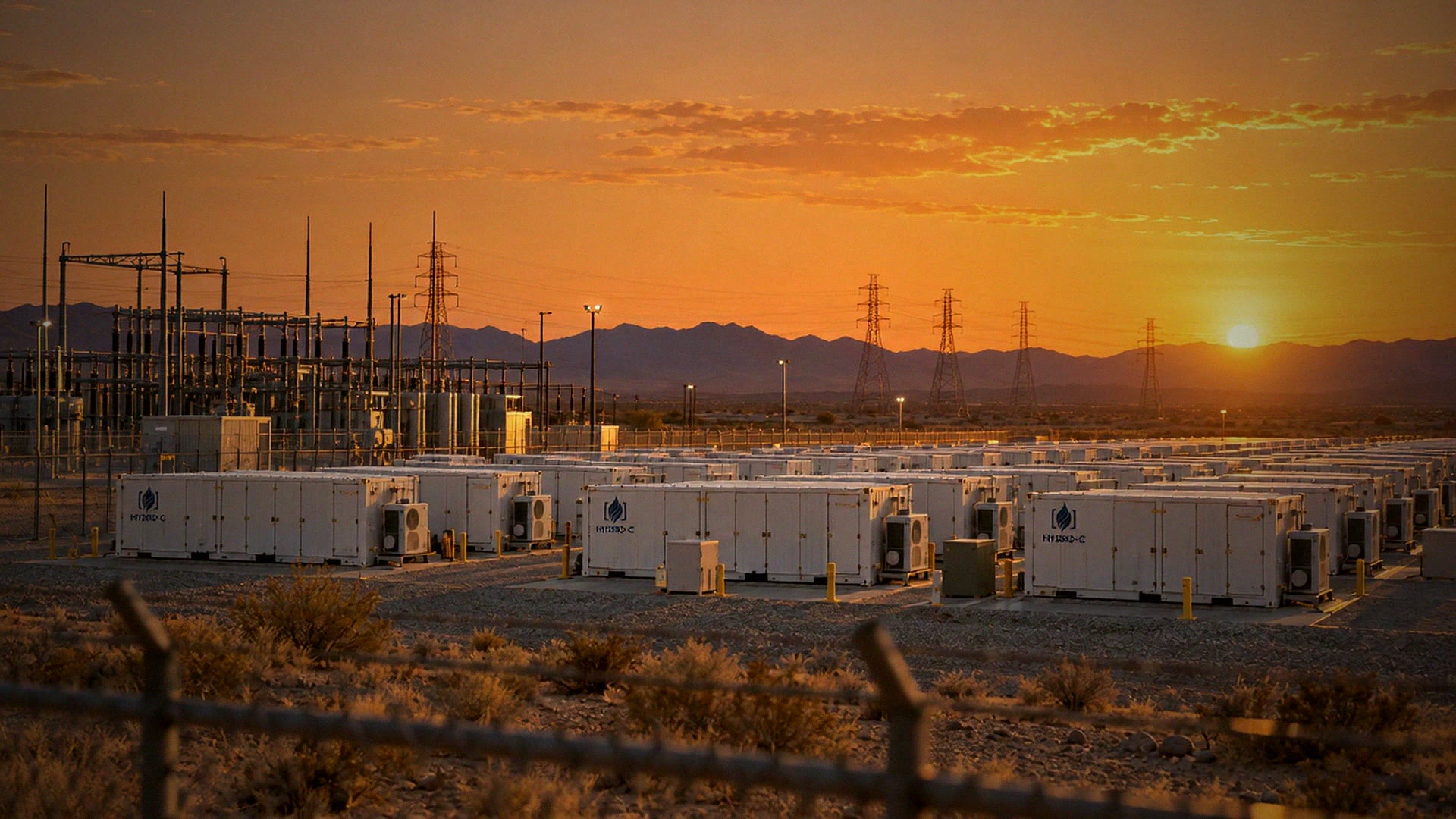
Storing power until the grid asks for it.
First questions on any site
The batteries charge while power is spare or cheap, then return it within seconds once the grid needs it. Inverters and a transformer handle the connection.
- Is the battery there to shift energy, to steady the grid or to back up a site?
- How many hours of storage will that take?
- Where is the connection point, and what does the grid operator ask for there?
What you are looking at
LFP containerised enclosures on plinths · 33 kV transformer skid. Point at a part to find it on the model.
How a build runs
One contract, four stages- 01EngineerWe size the power rating and storage hours to suit the duty, then plan the plinths, cooling, fire safety and grid connection.You receiveThe fire-safety design, layout drawings and single-line diagram.
- 02ProcureWe buy the enclosures, inverters and transformer from vetted makers, and the equipment is tested at the factory before it ships.You receiveFactory test reports and traceable certificates.
- 03ConstructWith the plinths poured, we place the enclosures, run the cable ladders and connect the transformer.You receiveAs-built drawings and installation records.
- 04CommissionNothing is energised until the safety systems are proved. After that we switch on with the grid operator and test charging and discharging.You receiveThe test records, operating manual and handover file.
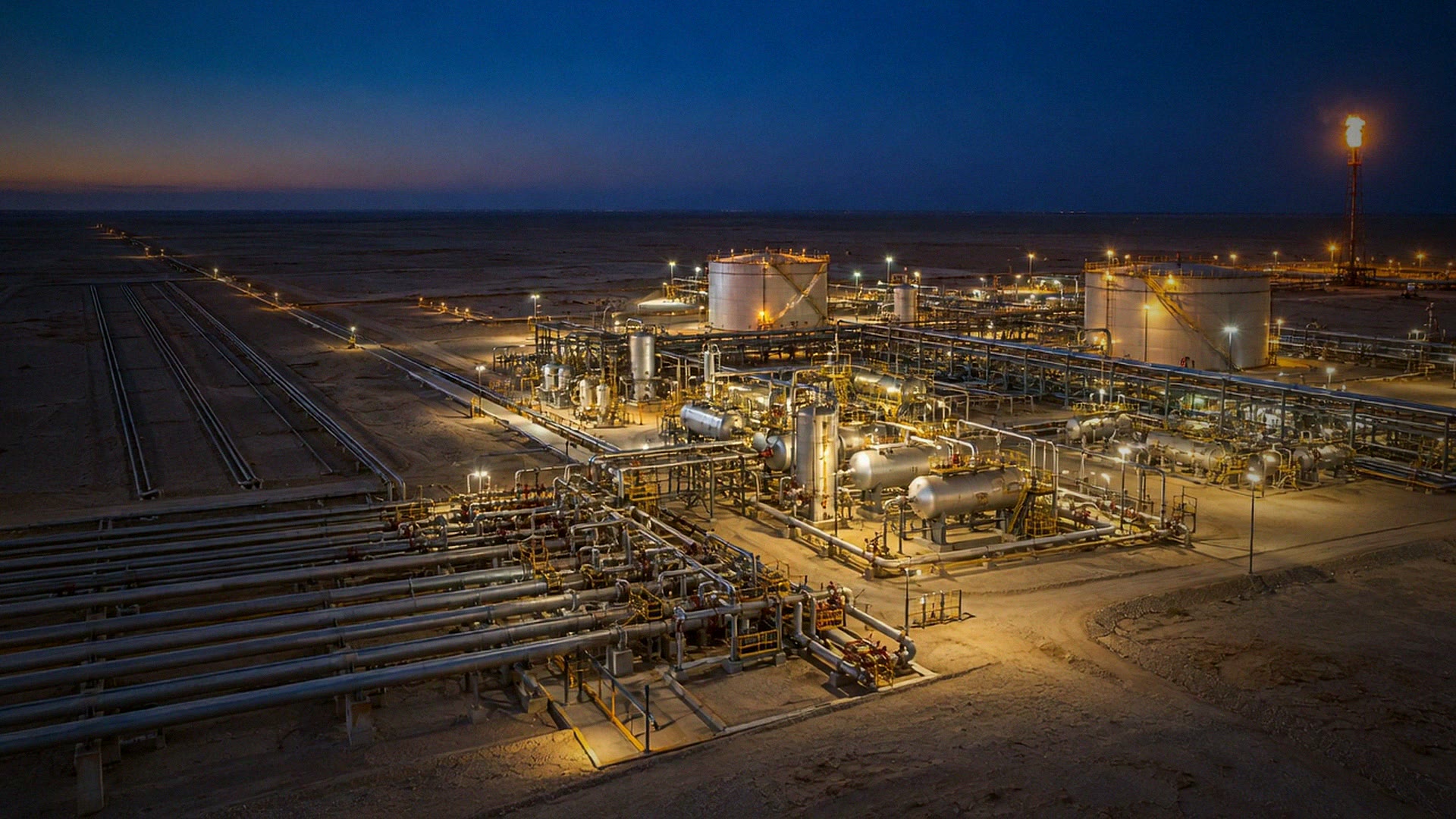
Oil & gasWellstream → oil, gas, water
Making the raw flow from a well safe to handle.
First questions on any site
A well produces oil, gas and water mixed together, frequently at high pressure. Surface equipment lowers that pressure safely and separates the mixture into its parts.
- How much oil, gas and water does the well produce, and at what pressure?
- Does the flow contain hydrogen sulphide? If so, every material choice changes.
- Is it a new facility, or an upgrade to one already in operation?
What you are looking at
Wellhead tree + first-stage separation skid · fabricated package. Point at a part to find it on the model.
How a build runs
One contract, four stages- 01EngineerWe establish what the well produces, size the separator, valves and piping to match, and map out the hazardous areas.You receiveA hazardous-area layout and the process and instrument diagrams (P&IDs).
- 02ProcurePipe, valves and instruments come from vetted manufacturers, and all material can be traced back to the mill.You receiveInspection records and mill certificates covering each item.
- 03ConstructWe fabricate the skid, set it on site, tie in the flowline and pressure-test every joint.You receivePressure-test records and as-built drawings.
- 04CommissionEvery safety shutdown is checked before the well is brought online in stages.You receiveThe test records, operating manual and handover file.
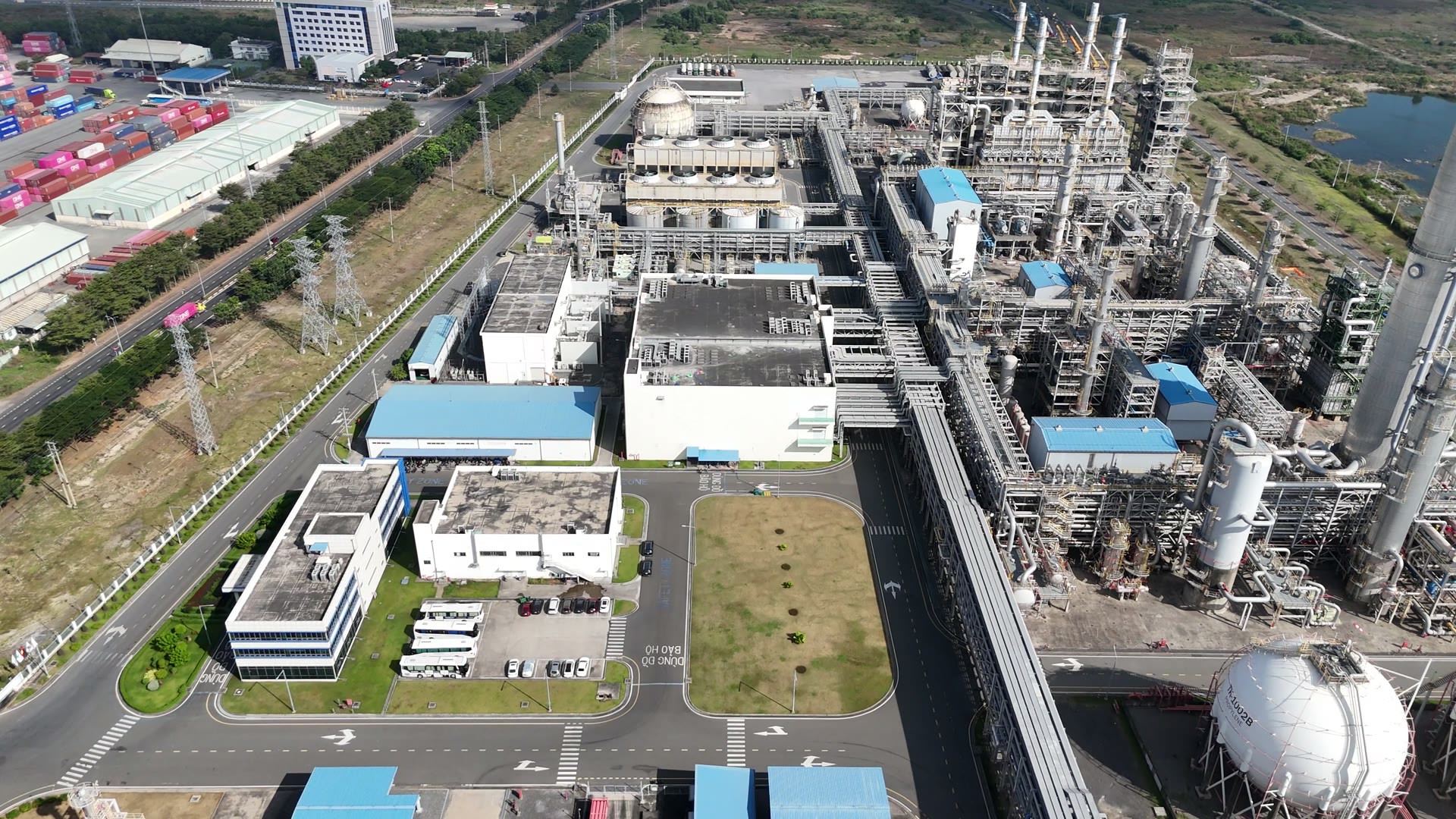
Green hydrogenWater + power → hydrogen
Using clean power to turn water into fuel.
First questions on any site
Inside an electrolyser, electricity splits water into hydrogen and oxygen. When the power comes from renewables, no fossil fuel is burned to make the hydrogen.
- Where does the clean power come from, and how steady will it be?
- Is the water clean enough as it is, or will it need treatment?
- Who is the hydrogen for, and what purity and pressure do they need?
What you are looking at
PEM electrolyser skid · compression stack, separators, rectifier. Point at a part to find it on the model.
How a build runs
One contract, four stages- 01EngineerWe match the electrolyser to the power supply and then plan water treatment, gas handling and safe distances.You receiveA hazard study, layout drawings and the single-line diagram.
- 02ProcureThe stack, rectifier, separators and compression are bought from vetted makers. Each is tested at the factory before it leaves.You receiveFactory test reports and traceable certificates.
- 03ConstructWe set the skids, connect water and power, and run the gas pipework through to storage.You receivePressure-test records and as-built drawings.
- 04CommissionAfter an inert gas purge and a leak test, we produce the first hydrogen and check how pure it is.You receiveThe test records, operating manual and handover file.
Send us a specification, a site, or simply the question you need answered. We begin with the first questions you have just read, then tell you what it would take to engineer, procure and build it.
- ISO 9001
- Cyber Essentials Plus
- COP26
- Est. 2012